
Why Not All “Soap” Is Actually Soap
For years, I assumed everything in the bath aisle was soap. Body wash, shower gel, “beauty bars,” moisturizing cleansers — it all looked like soap to me. But once I started making handmade goat milk soap, I learned something surprising: a lot of those products aren’t soap at all.
At its simplest, real soap is what you get when sodium hydroxide (lye) and fats or oils come together and transform into something new: soap and naturally occurring glycerin. That chemical reaction is called saponification, and it’s the backbone of both cold process and hot process soapmaking — the difference is how and when we apply heat, not whether saponification happens.
If a product is made with synthetic detergents, surfactants, or petroleum‑derived cleansers instead of that lye‑and‑oils reaction, companies cannot technically call it soap. That’s why you’ll see words like:
“body wash”
“beauty bar”
“cleansing gel”
“moisturizing bar”
Those are detergent‑based cleansers, not true soap.
So why choose real soap?
1. Natural Glycerin Stays in the Bar
During saponification, glycerin forms naturally — a powerful humectant that draws moisture to the skin. Commercial detergent bars often remove glycerin to use in lotions instead. Handmade soap keeps it right where it belongs.
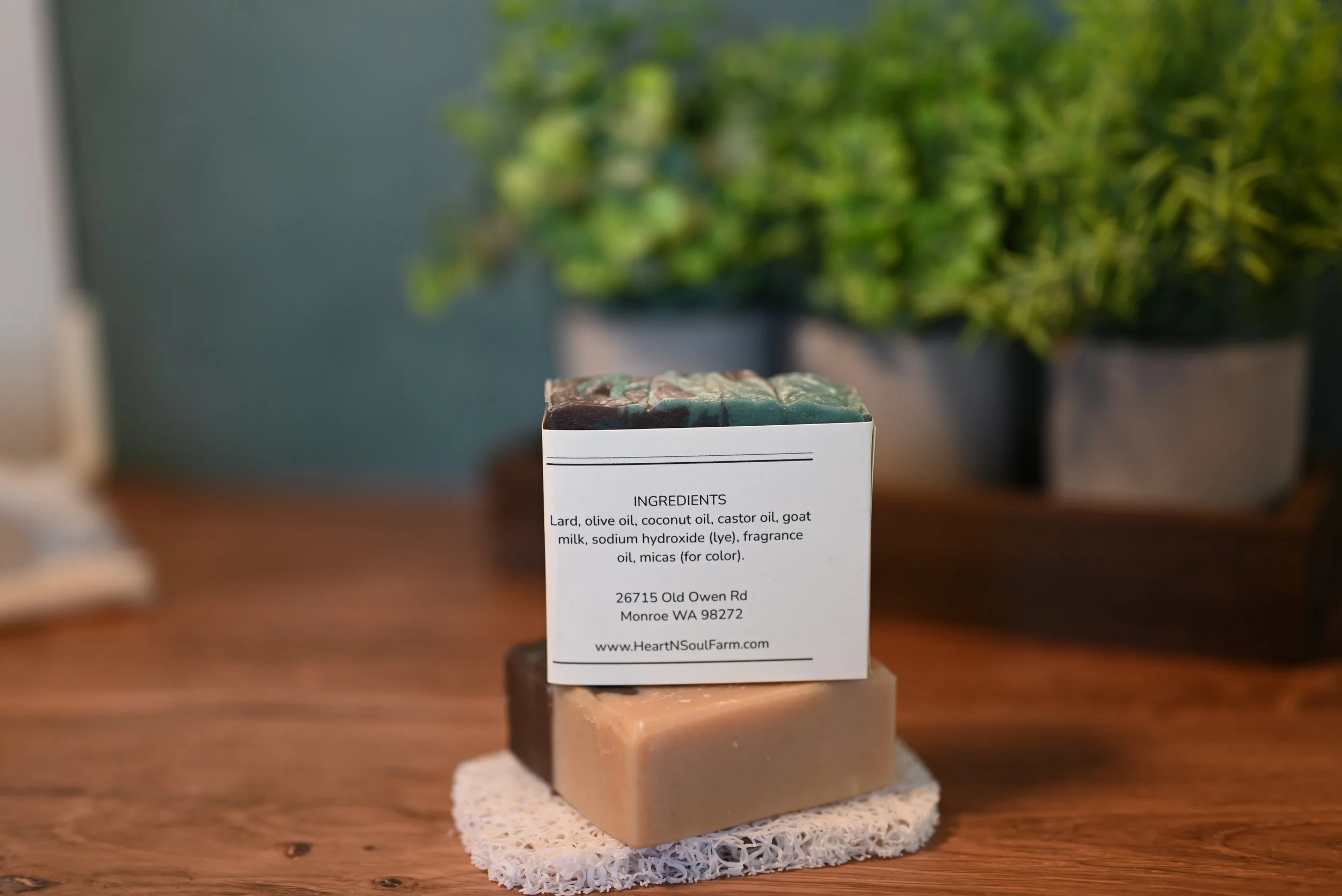
2. Simpler, More Transparent Ingredients
Real soap is made from oils, butters, lye, and (in my case) fresh goat milk. No mystery surfactants. No petroleum derivatives. No unpronounceable additives.
3. Gentler Cleansing
Detergents can be harsh, especially for sensitive skin. True soap cleans without stripping, which is why goat milk skincare is so beloved.
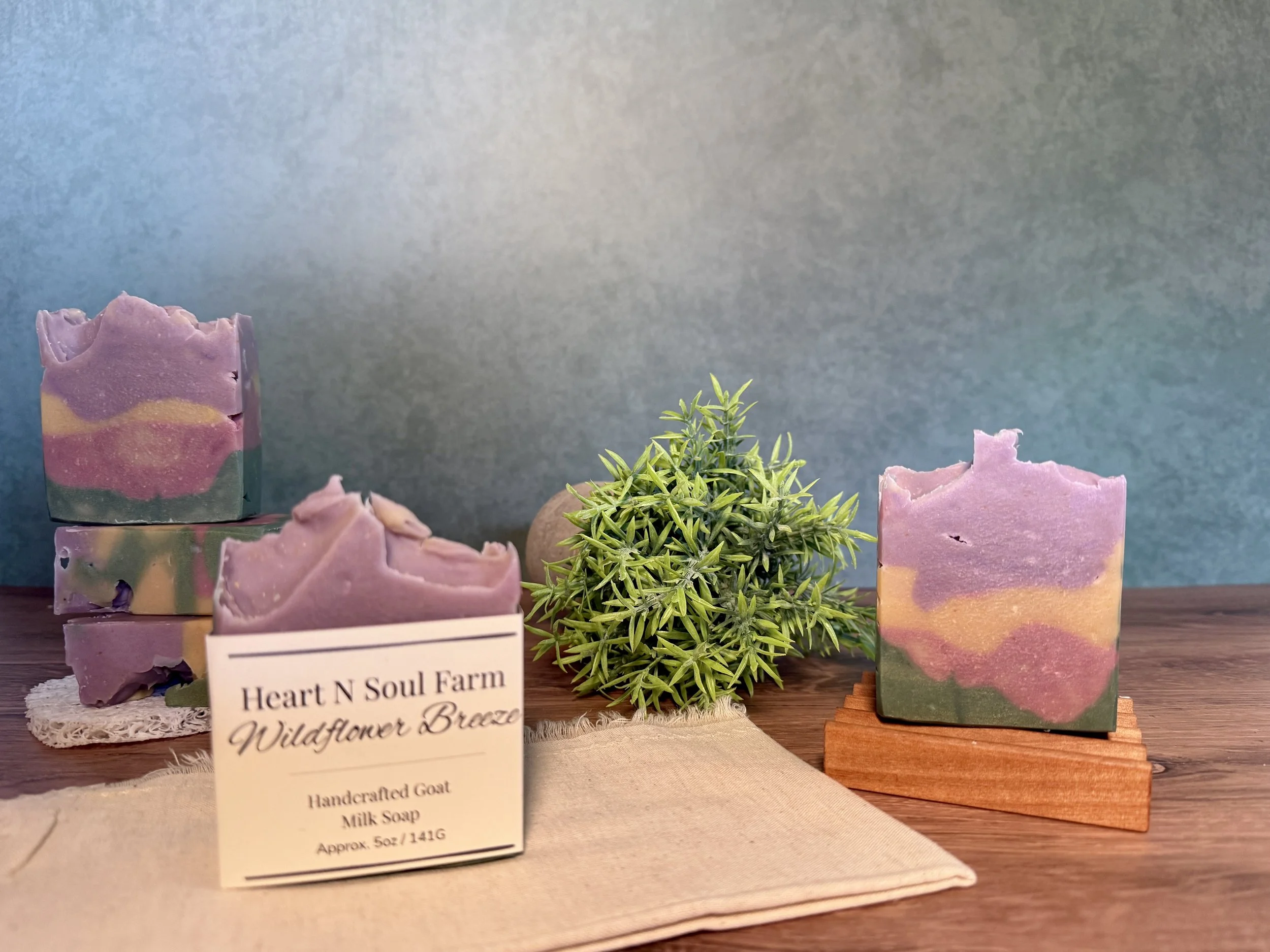
4. Better for the Environment
Real soap is biodegradable. Many synthetic detergents are not.
Once you start reading labels, you’ll be shocked how many products avoid the word “soap” entirely. Choosing natural, small‑batch soapmaking means choosing something closer to nature — and kinder to your skin.