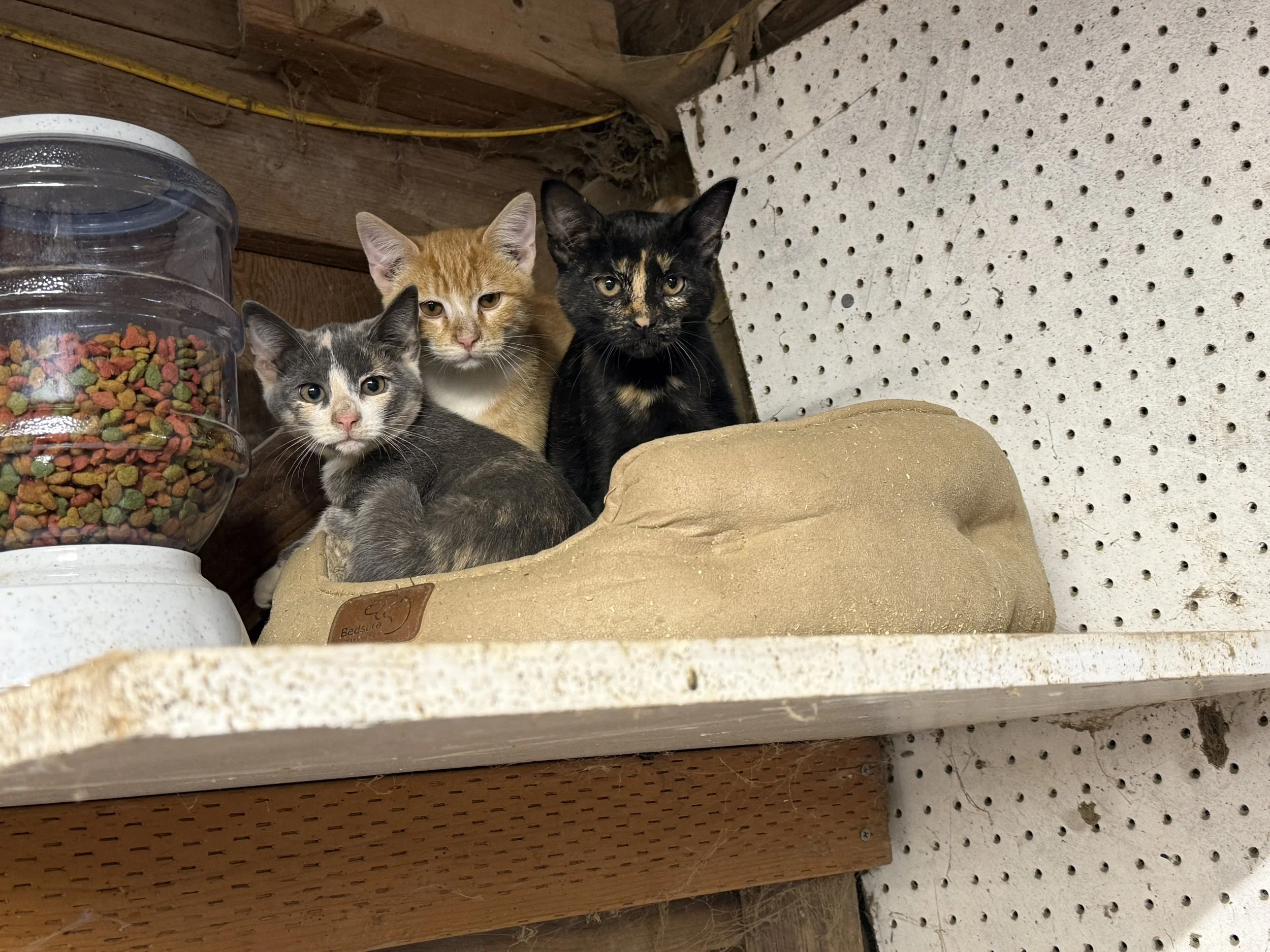
Working Barn Cats for Rodent Control: Why Good Mousers Matter on a Farm
When we moved to the farm, I didn’t picture myself becoming the kind of person who relies on cats. I’m not a cat person. I’ve never been a cat person. But rodents have a way of changing your mind, and within a year, I was actively looking for cats who could actually earn their keep.
It turns out that when you combine unlimited hay, grain, cozy shelters, and a barn that smells like safety and snacks, you create what can only be described as rat nirvana. My rodents were so confident they’d stroll through the barn in broad daylight while I was standing right there. Nothing humbles you quite like making eye contact with a rat who clearly believes you are the intruder.
Before the cats arrived, I tried everything short of poison. I won’t use rodenticides—too much risk to the animals I actually want to keep alive. So I went the mechanical route. The Ratinator worked surprisingly well at first. I’d catch 12–18 at a time, which is both satisfying and horrifying. But rodents are smart. Eventually they catch on, and the trap becomes more of a decorative piece than a solution. Meanwhile, the barn continued offering its all‑you‑can‑eat buffet: endless hay, delicious grain, and warm, insulated nesting material provided daily. It was basically a rodent resort with a generous loyalty program.
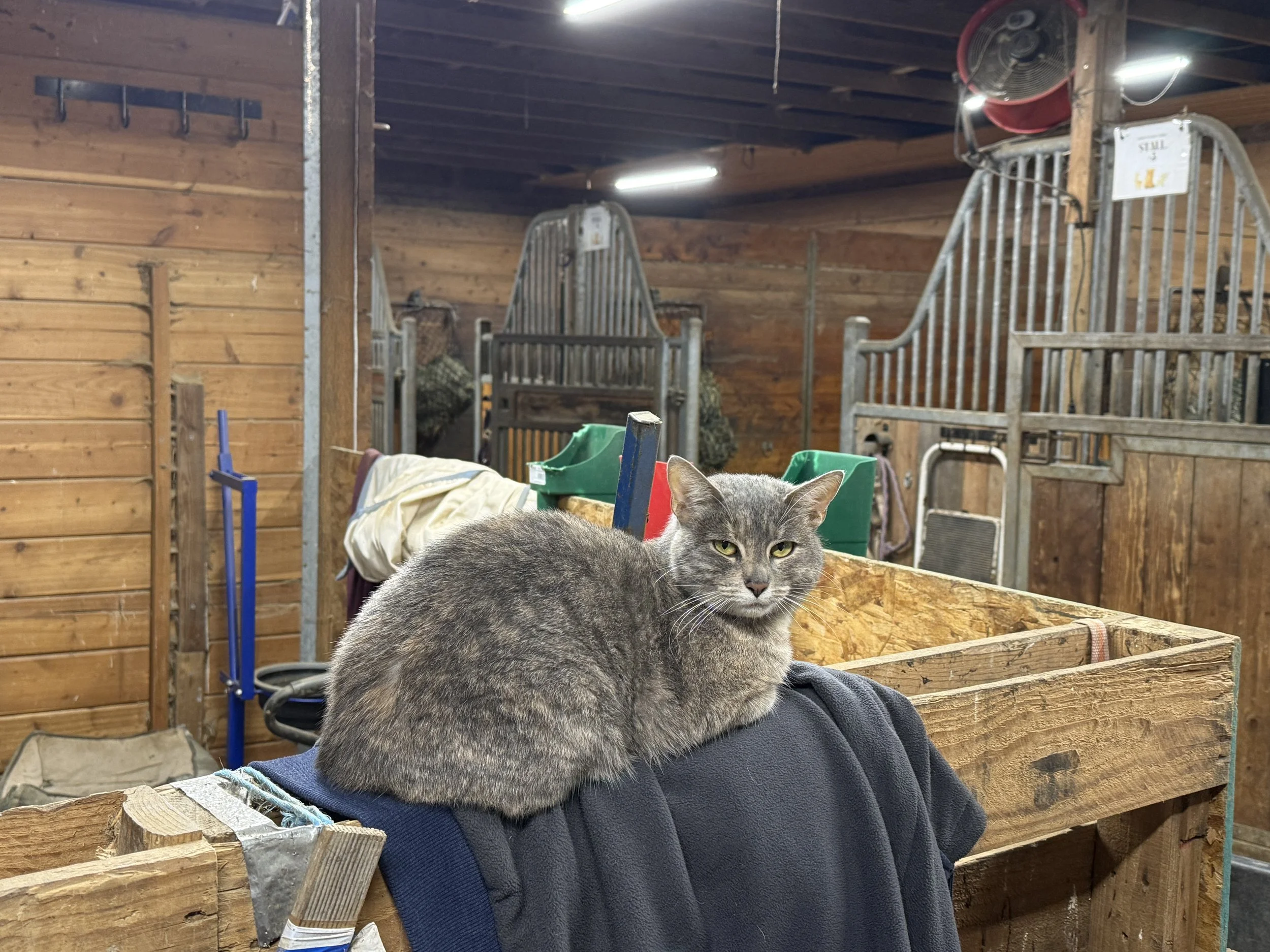
Enter the barn cats. I didn’t adopt them out of affection; I adopted them out of necessity. But I’ve come to appreciate them in the same way you appreciate a reliable tool—you don’t have to love it, but you’re grateful every time it does its job. Working barn cats earn their keep in two ways: their scent alone is a deterrent, and good barn cats hunt. Not because they’re starving, but because it’s what they’re wired to do.
And yes, I feed them. A well‑fed barn cat is a cat that comes home at night instead of wandering off to become coyote takeout. Barn cats are notoriously prone to disappearing—cars, predators, curiosity, you name it—so keeping them anchored to the barn matters. I’ve been lucky. Mine stayed for years, which is practically a miracle in barn‑cat math.
Once the cats settled in, the change was obvious. The bold, daytime rats vanished. The nighttime scurrying quieted. The feed room stopped looking like a rodent rave had taken place. Even the hay bales stayed cleaner. It wasn’t magic—it was biology. Predators change behavior patterns. They shift the ecosystem. They make rodents think twice about turning your barn into their personal kingdom. And while I still don’t consider myself a cat person, I’ve made an exception for these particular employees. They show up, they work hard, and they don’t ask for much beyond food, shelter, and the occasional head scratch (on their terms, of course).
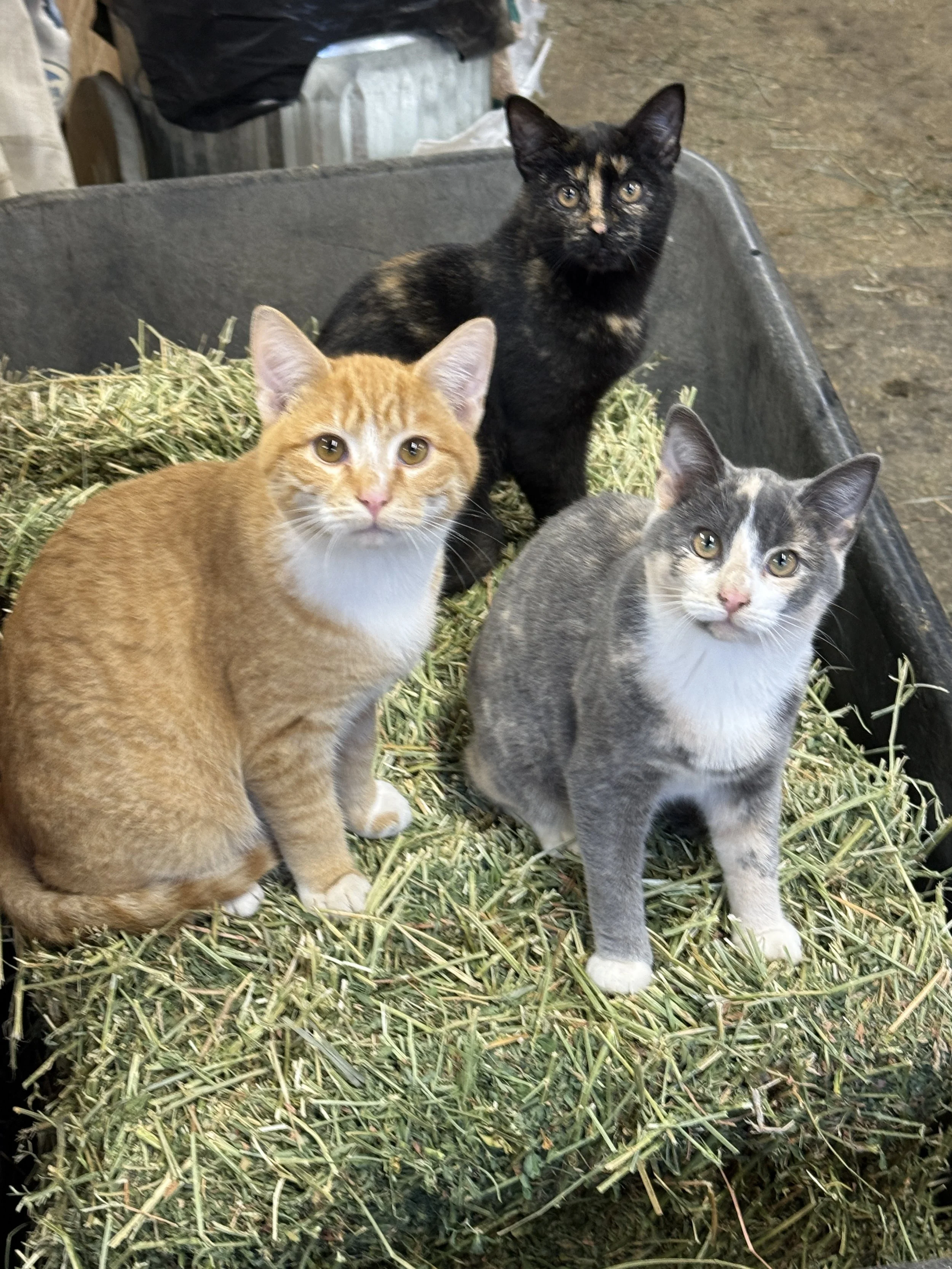
Rodent control on a farm is never a one‑and‑done situation. It’s a layered approach: keep feed secured, reduce nesting opportunities, use traps when needed, avoid poisons, and maintain predators who actually belong here. Barn cats fit into that last category beautifully. They’re not pets—they’re partners. And while I may never be the person who gushes over cats, I can absolutely respect an animal that helps keep my barn functioning, my feed clean, and my sanity intact.